Best iGaming Payment Solutions: Gateways, Platforms & Processing
Learn how iGaming payment solutions work, including payment gateways, processing, payment methods, fees, acceptance rates, chargebacks, and what to look for in a provider.
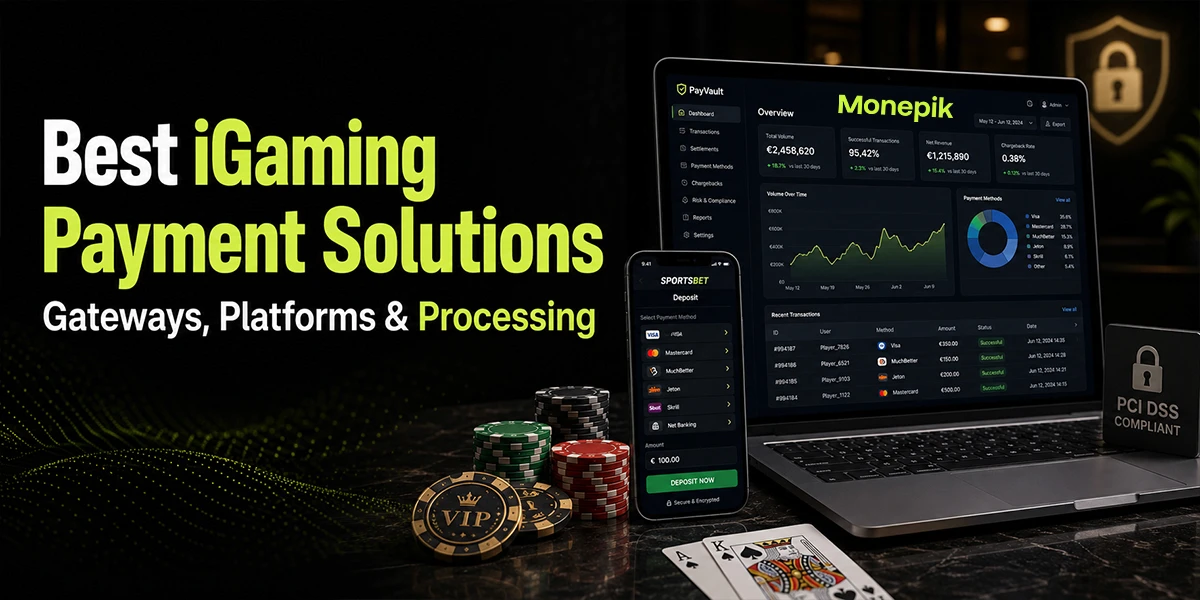
Payments are one of the most important parts of running an iGaming business.
Players expect to deposit quickly, use familiar payment methods, and withdraw their winnings without unnecessary delays.
Behind that experience is a much more complex payment infrastructure.
Operators need acquiring, payment gateways, fraud controls, local payment methods, routing, payouts, and compliance processes working together across different markets.
The right iGaming payment solutions can improve acceptance rates, reduce payment friction, manage risk, and make entering new markets easier.
This guide explains how iGaming payments work, the difference between gateways and platforms, common payment methods, processing costs, and what operators should look for when choosing a provider.
What Are iGaming Payment Solutions?
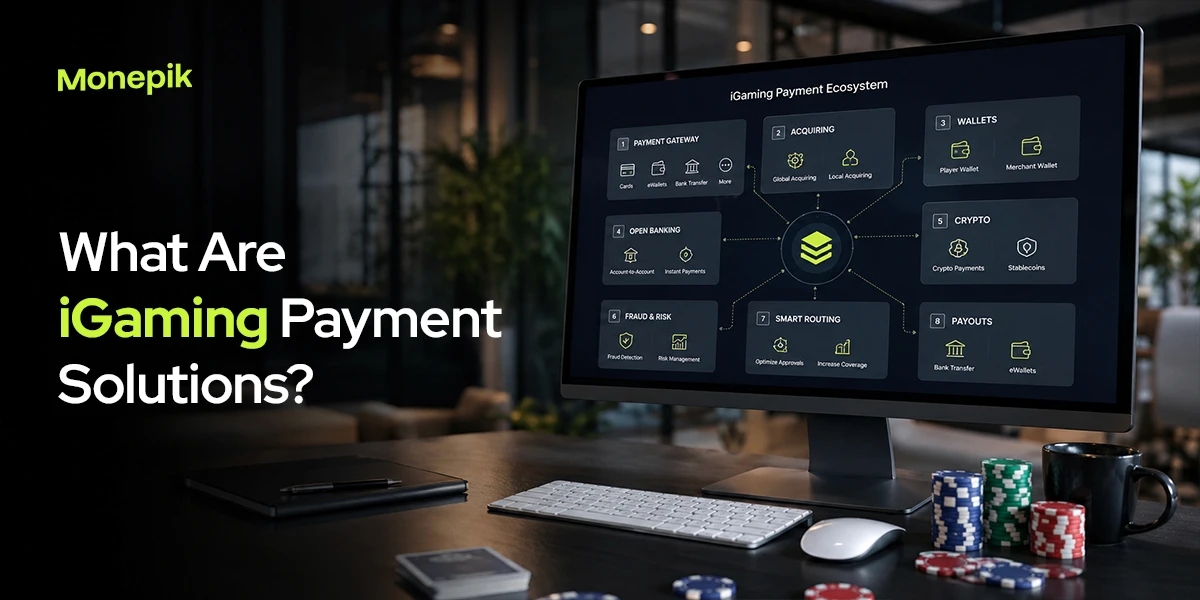
iGaming payment solutions are the systems and providers that allow online casinos, sportsbooks, betting platforms, and other gaming businesses to accept deposits and process withdrawals.
Depending on the setup, this can include:
Payment Gateways
Merchant Accounts and Acquiring
Card Processing
Alternative Payment Methods
Open Banking
Digital Wallets
Bank Transfers
Fraud and Risk Management
Payment Routing
Player Payouts
For operators working across several countries, one provider is rarely enough.
A stronger payment setup may involve several acquirers and payment methods connected through an iGaming payment platform or orchestration layer.
How Does iGaming Payment Processing Work?
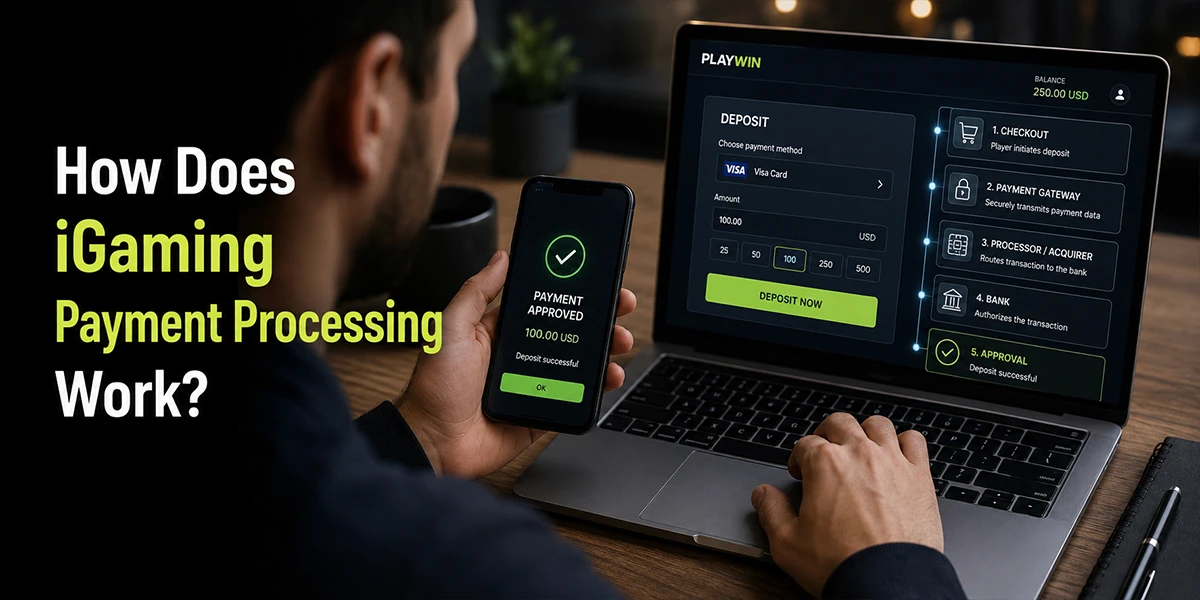
A typical deposit starts when a player chooses a payment method and enters their payment details.
The transaction then moves through several parts of the payment ecosystem.
Player → iGaming platform → Payment gateway→ Payment processor or acquirer→ Card network or payment method → Player's bank → Approved or declined
The exact flow depends on the payment method being used.
With card payments, the issuer decides whether to approve the transaction based on factors including available funds, fraud checks, authentication, merchant information, and its own risk policies.
For an iGaming operator, successful iGaming payment processing therefore depends on much more than simply connecting a checkout page.
iGaming Payment Gateway vs Payment Platform
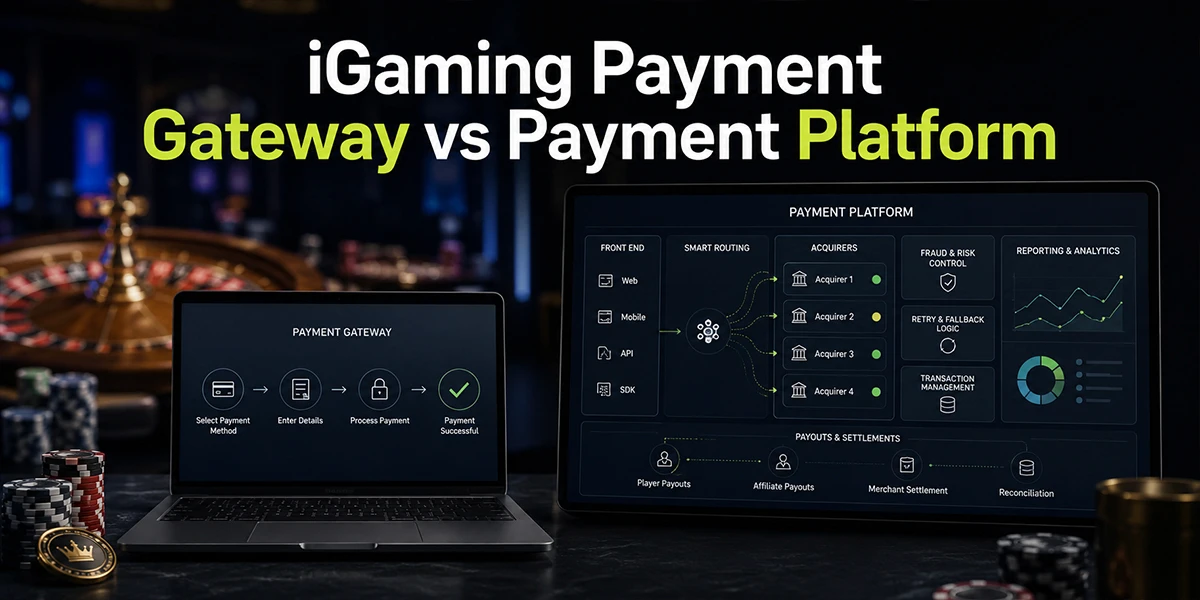
The terms are sometimes used interchangeably, but they are not exactly the same.
iGaming Payment Gateway
An iGaming payment gateway securely connects the operator's checkout with the payment processor or acquiring bank.
Its main purpose is moving payment information between different parties involved in the transaction.
A casino payment gateway, for example, may support card payments, wallets, bank transfers, or other payment methods available to casino players.
iGaming Payment Platform
An iGaming payment platform can provide a broader infrastructure layer.
It may combine:
Multiple Payment Providers
Multiple Acquirers
Smart Routing
Fraud Controls
Reporting
Payment Method Management
Deposit and Withdrawal Flows
For operators processing internationally, this can make managing several payment relationships much easier.
Which Payment Methods Are Commonly Used in iGaming?
There is no single payment method that works best in every market.
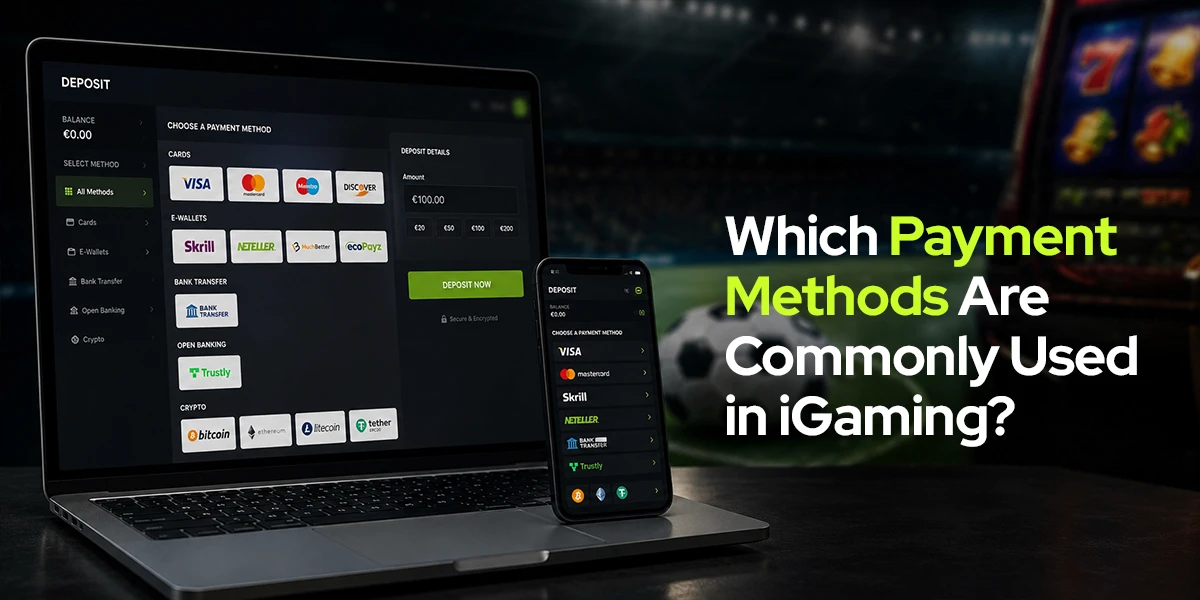
Common iGaming payments include:
Credit and Debit Cards
Visa and Mastercard remain familiar options for many players, although acceptance can vary depending on market, issuer, regulation, and acquiring setup.
Digital Wallets
Wallets can provide faster deposits and reduce the amount of payment information players need to enter directly.
Bank Transfers
Bank transfers remain useful for larger transactions and withdrawals, although the customer experience can vary by market.
Open Banking
Account-to-account payment methods can allow players to pay directly from their bank account.
Local Payment Methods
Some markets have domestic wallets, bank-based methods, or other payment options that players prefer over international cards.
Crypto Payments
Where legally permitted, some operators also support cryptocurrency deposits or crypto-to-fiat payment flows.
The best gaming payment solutions usually provide a mix of methods based on where players are located.
What Are the Main Payment Challenges for iGaming Businesses?
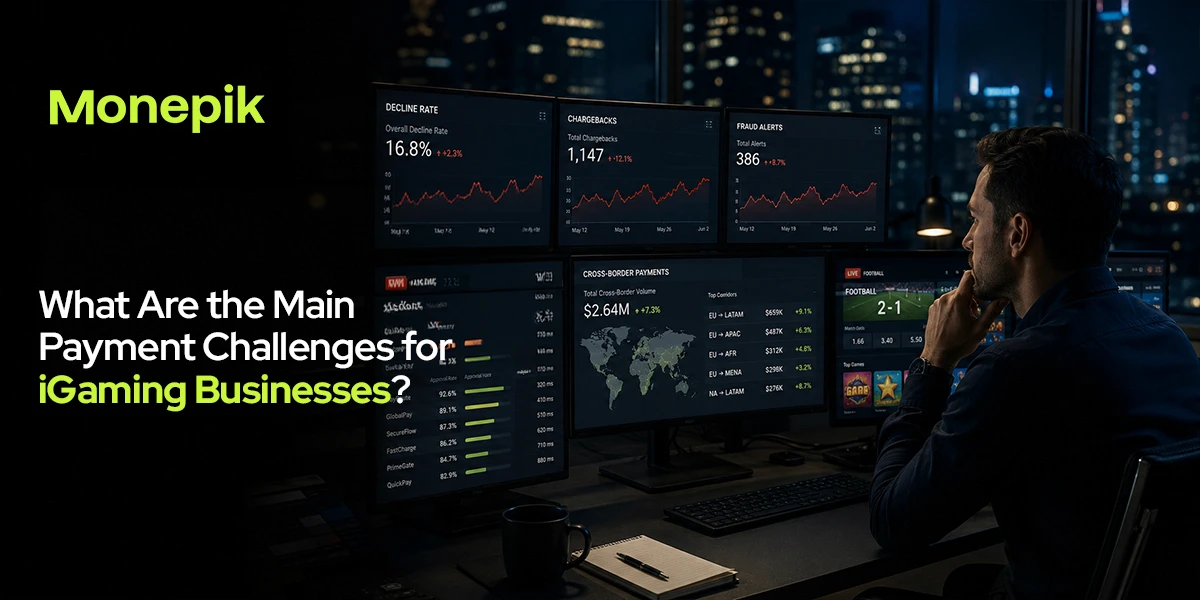
iGaming operators face payment challenges that many traditional ecommerce businesses do not experience at the same level.
Payment Declines
Banks may apply different risk rules to gaming transactions, creating inconsistent approval rates between countries, issuers, and card types.
Chargebacks
Players can dispute deposits after transactions have already been processed.
High dispute levels can increase processing costs and create problems with acquiring relationships.
Fraud
Operators need to identify stolen cards, account takeover, bonus abuse, suspicious deposits, and other risky behaviour without blocking legitimate players.
Fast Withdrawals
Players increasingly expect withdrawals to be simple and fast.
That means operators need reliable payout infrastructure as well as deposit processing.
Cross-border Processing
A sportsbook or casino operating internationally may need different acquiring relationships and payment methods for different markets.
This makes online gaming payment processing more complicated as the business grows.
How Can iGaming Operators Improve Payment Acceptance Rates?
Improving acceptance is not always about finding one better processor.
Often, it is about building a stronger payment infrastructure.
Operators can consider:
Using Multiple Acquirers
Depending entirely on one acquiring relationship creates concentration risk.
Additional acquiring options can provide more flexibility when performance changes.
Routing Transactions Intelligently
Transactions can potentially be routed according to geography, currency, payment method, or processor performance.
Offering Local Payment Methods
Players are more likely to complete deposits when they recognise and trust the payment options available.
Monitoring Decline Data
Operators should understand which issuers, countries, payment methods, and transaction types generate the most declines.
Optimising Authentication
Authentication and fraud controls should protect the business without adding unnecessary friction to every legitimate payment.
A well-designed sportsbook payment processing or casino payment setup should therefore be continuously monitored rather than treated as a one-time integration.
How Much Does iGaming Payment Processing Cost?
There is no universal price for iGaming payment processing.
Costs depend on factors including:
Processing Volume
Business Model
Markets Served
Payment Method
Card Type
Acquiring Bank
Risk Profile
Chargeback History
Settlement Requirements
Currency Conversion
Fraud Tools
Operators may also encounter setup fees, transaction fees, gateway fees, chargeback fees, reserves, or other provider-specific costs.
This is why comparing providers only by the headline transaction rate can be misleading.
Settlement terms, approval rates, reserves, payment coverage, and reliability can have just as much impact on the overall payment setup.
What Should Operators Look for in an iGaming Payment Provider?
Before choosing an iGaming payment gateway or processor, operators should understand exactly what the provider can support.
Important questions include:
Which countries can you process?
Which currencies are supported?
Which payment methods are available?
Do you provide acquiring directly?
Can we connect multiple acquirers?
How are withdrawals handled?
What are the settlement terms?
Are rolling reserves required?
What are the chargeback policies?
What fraud tools are available?
Can transactions be routed between providers?
What happens if one acquiring route becomes unavailable?
The cheapest provider is not necessarily the best provider.
For iGaming businesses, payment coverage, stability and flexibility can be more important than a small difference in transaction fees.
Building a More Resilient iGaming Payment Setup
There is no single payment gateway or processor that solves every iGaming payment challenge.
As operators expand into more markets, payment infrastructure usually becomes more complex.
The goal should be to build a setup that gives players convenient ways to deposit and withdraw while giving the operator enough acquiring coverage, routing flexibility and risk control to keep payments running reliably.
Looking for iGaming payment solutions for your casino, sportsbook, or gaming platform?
Talk to Monepik about building a payment setup with the acquiring, payment methods and processing infrastructure needed for your target markets.
FAQs
How does iGaming payment processing work?
A player's payment request moves from the gaming platform through a payment gateway and processor or acquirer before being authorised by the relevant bank or payment provider. If approved, the deposit is credited to the player's account.
What is the difference between an iGaming payment gateway and platform?
A gateway mainly transfers payment information between the merchant and processor. A payment platform can provide broader functionality such as multiple payment integrations, routing, reporting, fraud management and payouts.
Which payment methods are commonly used in iGaming?
Common options include debit and credit cards, digital wallets, bank transfers, open banking, local payment methods and, where permitted, cryptocurrency payments.
How much does iGaming payment processing cost?
Pricing varies according to transaction volume, markets, acquiring setup, payment methods, risk profile, chargebacks and settlement requirements.
What is the difference between payment processing and a payment gateway?
The gateway securely transfers transaction information. Payment processing covers the wider process of authorising, clearing and settling the transaction.
How can iGaming operators improve payment acceptance rates?
Operators can use multiple acquiring relationships, improve routing, offer local payment methods, analyse decline data and optimise fraud and authentication rules.
What are the main payment challenges for iGaming businesses?
Common challenges include payment declines, chargebacks, fraud, cross-border processing, regulatory requirements, payment method coverage and fast withdrawals.
How do chargebacks affect iGaming payment processing?
Chargebacks can increase processing costs and affect an operator's relationship with processors and acquiring banks. Consistently high dispute levels may also lead to additional monitoring, reserves or account reviews.
What should operators look for in an iGaming payment provider?
Look at market coverage, payment methods, acquiring options, settlement terms, reserves, fraud controls, withdrawal capabilities, routing flexibility and experience supporting gaming businesses.
Ready to Scale Global Payments?
Build reliable payment infrastructure for global markets. Manage, expand, and optimize your payments.