High-Risk Payment Gateway UK - Providers, Fees & Complete Guide
A complete guide to high-risk payment gateways in the UK: costs, requirements, providers, and how high-risk businesses get approved for processing.
If your business has been declined by mainstream UK payment providers, or you're bracing for rejection before you even apply, you're not alone. Banks and standard acquirers in the UK routinely turn away entire industries, regardless of how well the individual business is run.
A high-risk payment gateway UK businesses can actually rely on solves that problem by connecting you with acquirers and processors whose risk appetite matches your industry.
This guide covers what a high-risk payment gateway is, why UK businesses get classed as high risk, what it costs, and how to choose a provider that won't shut you down after your first chargeback spike.
What Is a High-Risk Payment Gateway?
A high-risk payment gateway is a payment processing solution built specifically for businesses that standard UK acquirers consider too risky to onboard.
It sits between your website or app and the card networks, authorizing transactions, screening for fraud, and routing funds to your merchant account, in exactly the same way a standard gateway does.
The difference is who's underwriting it. Rather than a mainstream UK bank, a high risk online payment gateway is backed by specialist acquirers and payment service providers who are set up to handle higher chargeback ratios, larger transaction volumes, and industries with additional regulatory requirements.
What Businesses Need a High-Risk Payment Gateway?

UK businesses typically end up in the high-risk category for one of a few reasons: the industry itself, the business model, or the transaction pattern. Common examples include:
iGaming and online gambling
Crypto exchanges and Web3 platforms
Forex and CFD trading
Adult content and dating platforms
Travel and booking services
Nutraceuticals, CBD, and pharma
Subscription and continuity billing models
Debt collection and credit repair services
E-cigarettes and vaping products
If your business falls into any of these categories, a high-risk merchant account UK setup, paired with a gateway built for that risk profile, is usually the realistic path to stable processing rather than a string of short-lived accounts.
Why Is My Business Considered High Risk?
Acquirers assess risk based on a handful of factors, and it's rarely personal. The most common triggers are:
Industry classification. Some sectors carry statistically higher chargeback and fraud rates industry-wide, regardless of an individual merchant's track record.
High average transaction value. Larger tickets mean larger potential losses if something goes wrong.
Recurring or subscription billing. Continuity models generate more disputes than one-off purchases.
Delayed delivery. Travel, event tickets, and pre-orders create a gap between payment and delivery, which increases dispute risk.
Regulatory exposure. Gambling, crypto, and forex all carry licensing and compliance obligations that add complexity for the acquirer.
New business with no processing history. Without a track record, acquirers have nothing to underwrite against, so they default to caution.
None of this means your business is doing anything wrong. It just means a mainstream UK acquirer's risk model doesn't fit, and you need a provider whose model does.
How High-Risk Payment Processing Works in the UK
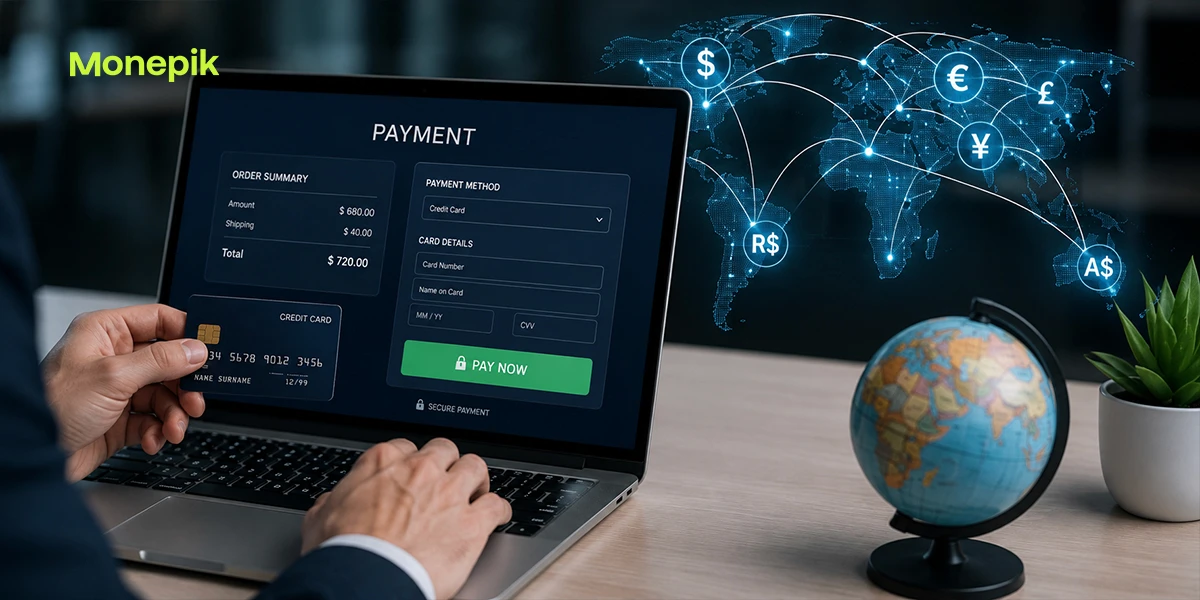
The mechanics are the same as any card transaction: a customer pays, the gateway authenticates and routes the transaction, the acquiring bank authorizes it, and funds settle into your merchant account before transferring to your business bank account. What changes for high-risk merchant services is everything around that core flow:
Rolling reserves, where a percentage of revenue is held back for a set period to cover potential chargebacks
Enhanced fraud screening and 3D Secure, applied more strictly than on standard accounts
Tighter chargeback thresholds, with closer monitoring to stay under card scheme limits
More thorough underwriting, including licensing checks, source of funds, and AML documentation
How Much Does High-Risk Payment Processing Cost?
High-risk payment gateway fees in the UK sit above standard processing rates because the acquirer is pricing in extra exposure. Typical ranges look like this:
Cost Component | Typical Range |
Setup fee | £0 to £1,500 (often waived for larger volumes) |
Transaction fee | 2.5% to 8%+ depending on vertical |
Monthly/account fee | £20 to £300 |
Rolling reserve | 5% to 20% of revenue, held 90 to 180 days |
Chargeback fee | £15 to £40 per incident |
Verticals like crypto, adult, and forex/CFD tend to sit toward the higher end because the acquirer's own exposure is greater.
Getting an accurate quote generally means submitting real business details (website, processing history, target markets) rather than relying on a published rate card, since high-risk pricing is negotiated per merchant.
High-Risk Merchant Account vs. Payment Gateway: What's the Difference?
These two terms get used interchangeably, but they're not the same thing. A high-risk merchant account is the actual account that holds your funds before they're transferred to your business bank account, provided by an acquiring bank.
A payment gateway is the technology layer that captures, encrypts, and routes the transaction from your checkout to the merchant acquirer.
In practice, most high-risk businesses need both, and many providers bundle them together so the merchant account and gateway are set up as a single integrated solution rather than two separate contracts to manage.
How to Get a High-Risk Payment Gateway
Getting approved comes down to preparation and matching your business to the right acquirer rather than applying broadly and hoping one says yes. The typical process looks like this:
Prepare your documentation (see the list below) before you approach any provider.
Get an accurate risk classification for your business, since pricing and provider options depend on it.
Work with a specialist or introducer who already has live relationships with acquirers that accept your vertical, rather than approaching banks cold.
Compare fee structures and reserve terms across shortlisted providers before signing.
Test the integration with a sandbox environment before going live, especially if you're using recurring billing or multi-currency settlement.
What Documents Are Needed to Apply for a High-Risk Payment Gateway?
Certificate of incorporation and UK company registration details
Proof of business address and beneficial ownership (UBO) information
Business bank statements or prior processing history
A live, compliant website with clear terms, pricing, and refund policy
Relevant licensing (gambling license, FCA authorization for forex/crypto, pharma or CBD licensing, etc.)
Director and shareholder ID and proof of address for KYC
Projected monthly volume and average transaction size
AML and compliance policy documentation
Incomplete or inconsistent documentation is the single biggest reason applications stall, which is why working through a specialist who knows exactly what each acquirer expects tends to move faster than a direct application.
Can High-Risk Businesses Accept International Payments?
Yes. Most high-risk payment gateways built for UK businesses are designed with international reach in mind, since many high-risk verticals (iGaming, crypto, travel, forex) sell to customers well beyond the UK by default.
A high risk payment gateway for international payments typically supports multiple currencies, major card schemes, and, depending on the provider, regional alternative payment methods for markets like the EU, Asia, and the Middle East.
Can a UK High-Risk Merchant Accept Payments in Multiple Currencies?
Yes, and this is one of the more important features to check for when comparing providers. Multi-currency settlement lets you price in your customer's local currency, reduce FX friction at checkout, and settle in USD, EUR, GBP, or other major currencies depending on where your revenue actually comes from.
Can High-Risk Payment Gateways Support Recurring Payments?
Yes, most high-risk gateways support recurring and subscription billing, though it typically comes with tighter monitoring than one-off transactions.
Since continuity billing generates more disputes industry-wide, providers usually require clear cancellation flows, upfront disclosure of billing terms, and dunning management (automatic retry logic for failed renewal payments) to keep chargeback ratios under control.
How Do High-Risk Payment Processors Manage Chargebacks?
Chargeback management is one of the most important parts of any high-risk payment solution, since exceeding card scheme thresholds can put the merchant account at risk of termination. Providers typically manage this through:
Real-time fraud screening and 3D Secure authentication
Chargeback alert services that flag disputes before they escalate
Representment support to fight illegitimate chargebacks
Clear billing descriptors so customers recognize the charge on their statement
Ongoing monitoring of chargeback ratios against card scheme limits
Are High-Risk Payment Gateways Secure?
Reputable high-risk payment gateways meet the same core security standards as any mainstream provider: PCI DSS compliance, end-to-end encryption, tokenization of card data, and 3D Secure authentication.
The higher risk classification relates to the business model and industry, not to the security of the payment infrastructure itself. When evaluating a provider, confirm their PCI DSS compliance level and ask directly about their fraud prevention stack.
How to Choose the Best High-Risk Payment Gateway Provider in the UK

Vertical experience first. A provider that's placed dozens of iGaming or forex merchants will have live acquirer relationships in that space, a generalist provider often won't.
Check the acquirer network, not just the marketing page. Ask which banks and PSPs they actually work with, and whether those relationships cover your specific vertical.
Understand reserve and fee terms upfront, before you sign, not after you've started processing.
Confirm multi-currency and international payment support if your customer base extends beyond the UK.
Ask about redundancy. Can they place you with a backup processor if your primary account is frozen or terminated?
Favor a consultancy model over a single-processor pitch. An introducer with access to a wide network of acquirers can match your business to the right fit, rather than forcing you into whatever one processor happens to offer.
This is essentially the value a payments consultancy provides: instead of a merchant approaching individual UK banks one by one and collecting rejections, an introducer with existing relationships across a broad network of acquirers can place the business with a provider that already has appetite for that specific vertical, volume, and geography.
Frequently Asked Questions
What is a high-risk payment gateway?
It's a payment processing solution built for businesses that standard UK acquirers decline to onboard, backed by specialist acquirers with a higher risk appetite for chargebacks, fraud exposure, and regulatory complexity.
What businesses need a high-risk payment gateway?
Industries like iGaming, crypto, forex/CFD, adult content, travel, CBD and pharma, and subscription-based businesses typically need a high-risk setup because mainstream UK acquirers classify them as too risky.
What is the best high-risk payment gateway in the UK?
There's no single best option, it depends on your vertical, transaction volume, and target markets. The right approach is comparing providers with proven experience in your specific industry rather than choosing based on marketing alone.
How much does high-risk payment processing cost?
Expect transaction fees roughly between 2.5% and 8%+ depending on vertical, plus monthly account fees and, for most high-risk merchants, a rolling reserve held for 90 to 180 days.
Why is my business considered high risk?
Common triggers include industry classification, high average transaction values, recurring billing models, delayed delivery, regulatory exposure, or simply having no prior processing history to underwrite against.
What is the difference between a high-risk merchant account and payment gateway?
The merchant account holds your funds before they reach your business bank account, provided by an acquiring bank. The payment gateway is the technology that captures and routes the transaction. Most high-risk businesses need both, often bundled together.
Can high-risk businesses accept international payments?
Yes, most high-risk gateways are built with international reach in mind, supporting multiple currencies and major card schemes for customers well beyond the UK.
Can high-risk payment gateways support recurring payments?
Yes, though recurring billing typically comes with tighter monitoring, clear cancellation flows, and dunning management to keep chargeback ratios under control.
How do high-risk payment processors manage chargebacks?
Through real-time fraud screening, 3D Secure authentication, chargeback alert services, representment support, and ongoing monitoring of chargeback ratios against card scheme limits.
Are high-risk payment gateways secure?
Yes, reputable providers meet the same PCI DSS compliance, encryption, and 3D Secure standards as mainstream gateways. The "high risk" label refers to the business model, not the security of the payment infrastructure.
Can a UK high-risk merchant accept payments in multiple currencies?
Yes, most providers support settlement in USD, EUR, GBP, and other major currencies, which helps reduce FX friction and match pricing to where your revenue actually comes from.
What documents are needed to apply for a high-risk payment gateway?
Incorporation documents, proof of address, UBO and director KYC, a compliant website, relevant licensing, processing history if available, and AML/compliance documentation.
Every high-risk business has a different risk profile, customer base, and volume pattern, so the right setup for a crypto exchange looks nothing like the right setup for a subscription box company. If you're evaluating options, it's worth speaking to a payments consultancy that can match your business against a live network of UK and international acquirers rather than a single provider's rate card.
Ready to Scale Global Payments?
Build reliable payment infrastructure for global markets. Manage, expand, and optimize your payments.