Merchant Acquirer vs Payment Processor - Key Differences Explained
Not sure what separates a merchant acquirer from a payment processor? This guide breaks down what each does, how they work together, and what it means for your business.
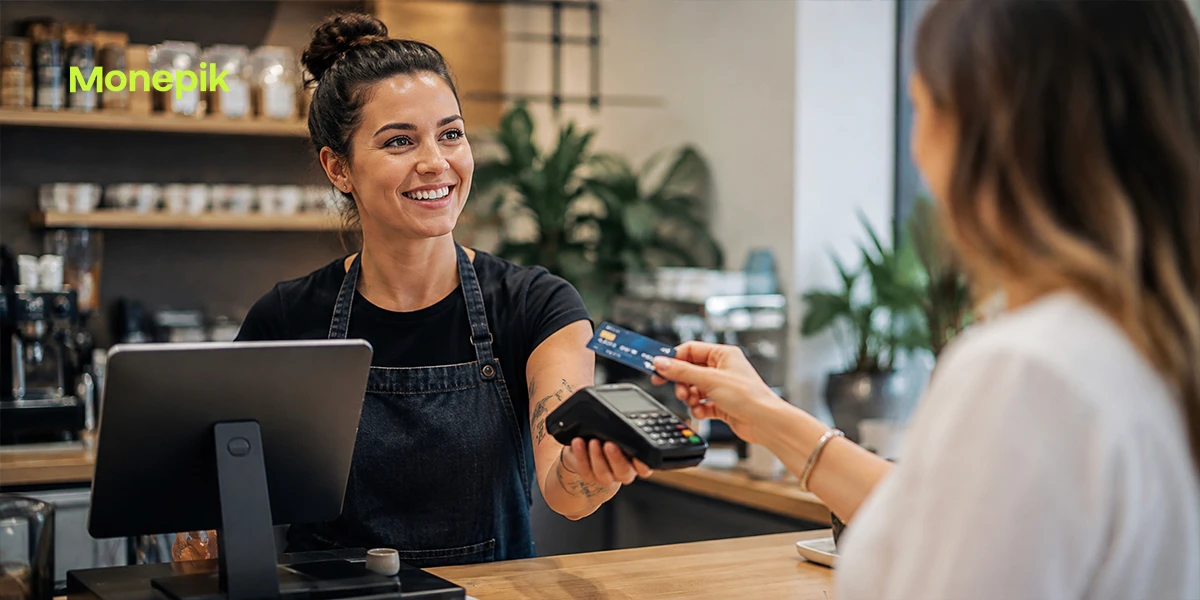
The payments stack has a lot of moving parts. Here is what each player actually does.
When a customer pays by card, several different companies and financial institutions work together behind the scenes.
Two of the most important are the merchant acquirer and the payment processor.
The terms are often used interchangeably, especially because some providers offer both services. But they perform different roles within the payment ecosystem.
Understanding the difference between a merchant acquirer vs payment processor helps merchants evaluate providers, understand costs, improve payment performance and build more resilient payment infrastructure.
The short answer
A merchant acquirer is the financial institution on the merchant side of a card transaction. It enables the business to accept card payments and supports clearing and settlement.
A payment processor is the technology layer that processes and routes transaction information between the merchant, acquirer, card network and issuing bank.
A simple way to remember it:
Acquirer = merchant relationship and settlement
Processor = transaction processing and routing
They are separate functions, although one provider can perform both.
What is a Merchant Acquirer?
A merchant acquirer, also known as an acquiring bank or acquirer, enables businesses to accept card payments.
It sits on the merchant side of the transaction and provides access to card networks such as Visa and Mastercard.
Depending on the setup, the merchant may work directly with the acquirer or gain access through a PSP, payment facilitator or other payment provider.
What Does a Merchant Acquirer do?
Merchant acquiring services can include:
Merchant onboarding and underwriting
Providing or sponsoring the merchant account
Facilitating card acceptance
Supporting clearing and settlement
Monitoring merchant risk
Managing the merchant side of disputes and chargebacks
Applying reserves or processing limits where necessary
Supporting different currencies and markets
The acquirer also takes on financial and regulatory exposure connected with the merchants it supports.
This becomes especially important in industries such as iGaming, crypto, FX/CFD, travel, adult and other higher-risk sectors, where acquiring requirements can be more complex.
What is a Payment Processor?
A payment processor provides the technology used to process electronic transactions.
When a customer attempts a card payment, the processor helps transmit transaction information between the merchant, acquirer, card network and issuing bank.
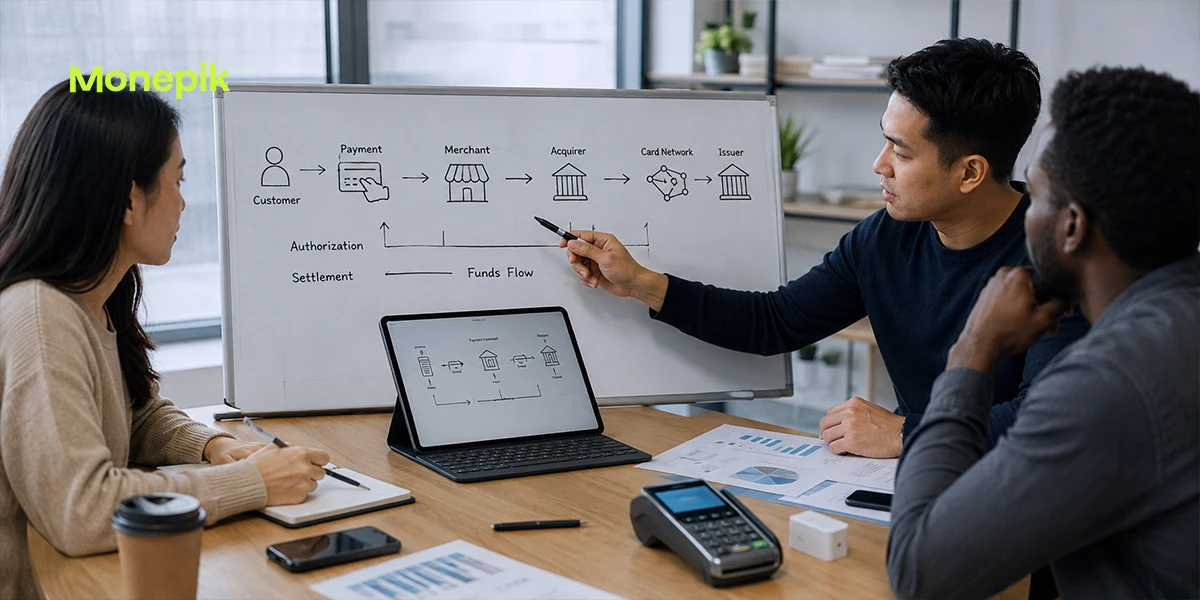
A typical flow looks like:
Merchant → Processor → Acquirer → Card Network → Issuer
The authorisation response then travels back.
What Does a Payment Processor Do?
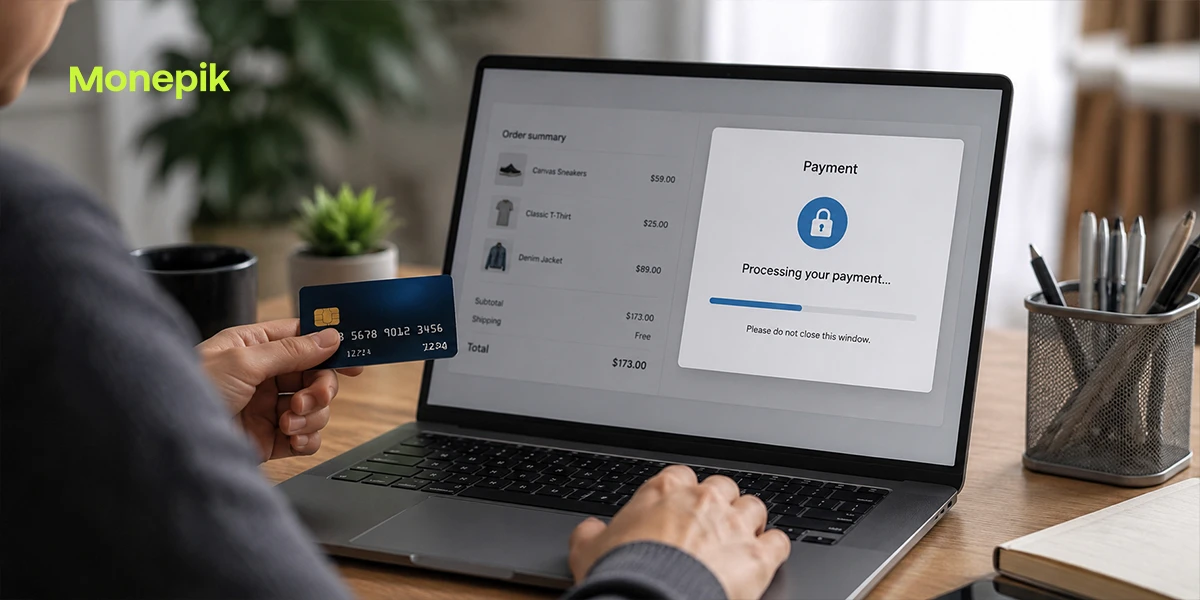
Payment processing services may include:
Transaction routing
Authorisation messaging
Connecting merchants with acquirers
Processing approvals and declines
Tokenisation
Recurring payment support
Fraud screening
Clearing file generation
Reporting and reconciliation
Routing transactions across multiple acquirers
The processor is therefore primarily the technology and connectivity layer of the payment stack.
Merchant Acquirer vs Payment Processor
Merchant Acquirer | Payment Processor | |
Core role | Provides merchant acquiring and settlement infrastructure | Processes and routes transactions |
Position | Merchant side of the payment ecosystem | Technology layer |
Merchant underwriting | Usually yes | Usually not independently |
Settlement | Responsible for the acquiring side of settlement | Supports processing but is not necessarily the acquirer |
Chargebacks | Manages the merchant side | May provide dispute technology |
Merchant account | Can provide or sponsor one | Not necessarily |
Can be the same company? | Yes | Yes |
The distinction is not always obvious because many payment providers bundle acquiring, processing and gateway services together.
How Do Merchant Acquirers and Processors Work Together?
Consider a customer buying something online.
1. The customer pays
The customer enters card details, uses a stored card or pays through a digital wallet.
2. The gateway captures the payment
For ecommerce transactions, the payment gateway securely captures and transmits the customer's payment details.
3. The processor routes the transaction
The processor sends the authorisation request into the payment network.
4. The acquirer connects the merchant into the card network
The acquiring side forwards the transaction through Visa, Mastercard or another relevant network.
5. The issuer receives the transaction
The card network routes the transaction to the customer's bank.
This bank is known as the issuer.
6. The issuer approves or declines
The issuing bank checks factors such as:
Available funds or credit
Card status
Authentication
Fraud signals
Transaction limits
It then approves or declines the payment.
7. The response returns to the merchant
The response travels back through the payment infrastructure within seconds.
8. Settlement takes place
After authorised transactions are captured, they move into clearing and settlement.
The merchant receives the funds according to its agreed settlement schedule.
This may be T+1, T+2, weekly or another arrangement depending on the provider and merchant profile.
Acquirer vs Issuer
The acquirer and issuer sit on opposite sides of the transaction.
Acquirer
The acquirer represents the merchant side.
It enables the business to accept cards and supports settlement.
Issuer
The issuer represents the cardholder side.
It is the bank that issued the customer's card and decides whether the transaction should be approved.
A simplified flow is:
Merchant → Acquirer → Card Network → Issuer
The payment processor provides much of the technology connecting those parties.
Payment Gateway vs Payment Processor
A payment gateway and a payment processor are also different.
The gateway sits closest to the checkout.
It captures and securely transmits payment information.
The processor handles the back-end transaction routing.
A simple way to think about it:
Gateway = captures the payment
Processor = routes the transaction
Acquirer = provides merchant acquiring and settlement
Again, one provider can offer all three.
Can a Processor Also be an Acquirer?
Yes.
This is one of the main reasons payment terminology becomes confusing.
A modern payment company may offer:
Gateway
Processing
Acquiring
Fraud prevention
Tokenisation
Alternative payment methods
Reporting
Settlement
Other providers specialise in only one part of the payment stack.
A merchant could therefore use:
One integrated provider
or
Gateway + processor + separate acquirer
or
Multiple processors and multiple acquirers
The right model depends on the merchant's size, industry, markets and payment volume.
What is Merchant Acquiring?
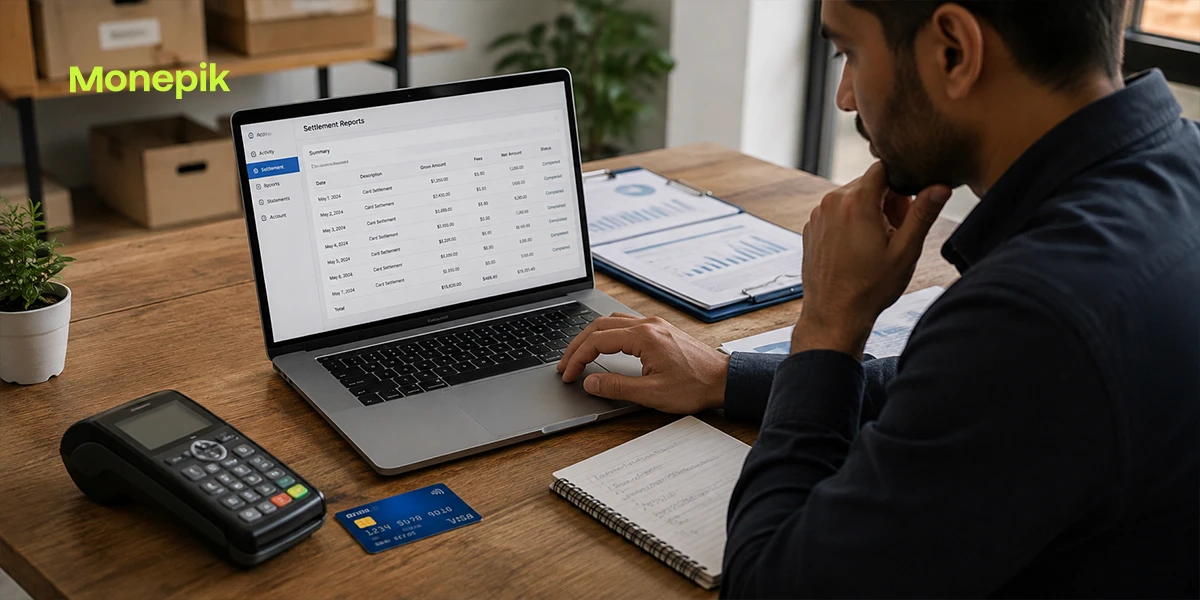
Merchant acquiring is the broader service that enables businesses to accept card payments.
It typically covers much more than simply processing a transaction.
Merchant Underwriting
Before onboarding a merchant, an acquirer may review:
Business model
Industry
Ownership
Processing history
Chargeback levels
Fraud levels
Licences
Customer geographies
Transaction size
Expected monthly volume
Card Acceptance
Once approved, the merchant can begin processing eligible card transactions.
Settlement
The acquiring setup facilitates payment of settled card proceeds to the merchant.
Risk Management
Acquirers monitor merchant activity because they carry exposure to disputes, chargebacks and fraud.
This is why the quality of the merchant acquiring relationship matters significantly for complex or higher-risk businesses.
Who Handles Chargebacks?
Chargebacks involve several parties.
The cardholder disputes the transaction.
The issuer manages the cardholder side of the dispute.
The card network provides the rules governing the process.
The acquirer handles the merchant side and communicates the chargeback to the merchant.
The processor or PSP may also provide dashboards, reporting and technology to manage the dispute.
In simple terms:
Issuer = cardholder side
Acquirer = merchant side
Card network = rules and infrastructure
Why Does the Acquirer Matter?
Two merchants using similar checkout technology can still experience very different payment performance depending on their acquiring setup.
The acquirer can affect:
Supported industries
Merchant eligibility
Countries and currencies
Settlement terms
Reserve requirements
Chargeback thresholds
Risk appetite
Processing limits
Local or cross-border acquiring
Commercial pricing
For this reason, merchants should not only ask:
"Which processor are we using?"
They should also ask:
"Who is actually acquiring our transactions?"
Local vs Cross-border Acquiring
Where the transaction is acquired can also affect performance and costs.
Local Acquiring
Local acquiring means using acquiring infrastructure within or close to the cardholder's market.
Depending on the setup, this can help improve:
Acceptance
Authorisation performance
Cost efficiency
Customer experience
Cross-border Acquiring
Cross-border acquiring allows merchants to accept payments in markets where they may not have a local acquiring setup.
It can provide valuable international coverage but may involve different scheme fees, commercial terms and approval performance.
What is a Multi-acquirer Setup?
Larger merchants often use more than one acquirer.
For example:
UK transactions → Acquirer A
European transactions → Acquirer B
Other international transactions → Acquirer C
This can help merchants:
Improve geographic coverage
Reduce reliance on one provider
Build backup payment routes
Improve routing flexibility
Access local acquiring
Increase operational resilience
For high-volume or international merchants, a multi-acquirer strategy can be more effective than depending on one provider for every transaction.
What Should Merchants Look for in an Acquirer?

When choosing a merchant acquirer, price should not be the only consideration.
Ask:
Which industries do you support?
Some acquirers specialise in traditional ecommerce, while others support industries such as gaming, crypto or FX.
Which markets do you cover?
Understand both merchant locations and cardholder geographies.
Do you provide local acquiring?
Local acquiring can be valuable in key markets.
Which currencies do you support?
Check both processing and settlement currencies.
What are the settlement terms?
Understand:
Settlement frequency
Settlement delays
Rolling reserves
Minimum settlement amounts
FX costs
How are chargebacks handled?
Ask about operational support, reporting and dispute fees.
What is the pricing model?
Common models include:
Blended pricing
Interchange++
IC++
Transaction fees
Scheme fees
Cross-border fees
FX fees
Who is the underlying acquirer?
This is especially important when working through a PSP or payment intermediary.
What Should Merchants Look for in a Payment Processor?
When evaluating a processor, focus more heavily on the technology.
Important factors include:
Acquirer connectivity
Supported card networks
Platform uptime
Transaction speed
Smart routing
Backup routes
Tokenisation
Recurring payment support
3D Secure
Fraud prevention
APIs
Reporting
Reconciliation
Multi-MID support
Strong payment processing infrastructure becomes increasingly important as merchant volumes and geographical coverage grow.
PSP vs Processor vs Acquirer
A Payment Service Provider, or PSP, often bundles several payment functions together.
A PSP may provide:
Gateway services
Payment processing
Acquiring access
Fraud tools
Alternative payment methods
Reporting
Settlement
In some cases, the PSP is also the acquirer.
In others, it works with one or several third-party acquirers.
This is why merchants should understand the infrastructure behind their payment provider, not just the brand shown on the dashboard.
Why This Matters for High-risk Merchants
The distinction between acquirer and processor becomes even more important for businesses operating in complex sectors.
Examples include:
iGaming
Crypto
FX/CFD
Adult
Travel
Subscription businesses
Cross-border ecommerce
A payment processor may have excellent technology, but the setup will not work if the underlying acquirer does not support the merchant's industry, licence or customer geographies.
For these merchants, payment infrastructure should be evaluated as a complete stack:
Gateway + Processor + Acquirer + Risk + Settlement
Merchant Acquirer vs Payment Processor: Final Takeaway
A merchant acquirer provides the merchant-side financial infrastructure needed to accept card payments and settle funds.
A payment processor provides the technology needed to process and route those transactions.
A gateway captures payment information.
An issuer is the customer's bank and approves or declines the transaction.
The same payment provider may perform several of these roles, which is why the distinction is not always obvious.
For merchants, the key is understanding who is acquiring the transaction, how it is being processed, where funds are settled and what happens if the payment is disputed.
That understanding becomes increasingly important as businesses scale across new markets, payment methods and higher-risk sectors.
Frequently Asked Questions
What is the difference between a merchant acquirer and payment processor?
A merchant acquirer provides the merchant-side acquiring relationship and facilitates card acceptance and settlement. A payment processor provides the technology used to process and route transaction data.
What does a merchant acquirer do?
A merchant acquirer enables merchants to accept card payments and typically supports underwriting, clearing, settlement, risk management and chargebacks.
What does a payment processor do?
A payment processor routes and processes transaction information between merchants, acquirers, card networks and issuing banks.
Is a payment processor the same as an acquirer?
No. They perform different roles, although the same company can provide both services.
Is a payment gateway the same as a payment processor?
No. A gateway captures and securely transmits payment details, while a processor handles the back-end transaction processing and routing.
What is the difference between an acquirer and issuer?
The acquirer sits on the merchant side. The issuer is the bank that issued the customer's card and decides whether the payment is approved.
Who handles chargebacks?
The issuer handles the cardholder side of the dispute and the acquirer handles the merchant side, while the card network provides the applicable rules.
Can merchants use multiple acquirers?
Yes. Larger and international merchants often use several acquirers to improve coverage, resilience and payment routing.
How do I choose the right payment provider?
Ask whether the provider is acting as an acquirer, processor, gateway, PSP or a combination. Also compare supported markets, industries, settlement terms, pricing, chargeback management and backup acquiring options.
Ready to Scale Global Payments?
Build reliable payment infrastructure for global markets. Manage, expand, and optimize your payments.